Tony Robbins says “you will remain stuck in your pain or problem until you value something more than your pain or problem.” Recovery is more than just the absence of a habit; it is the creation of a life so fulfilling that the old patterns no longer have a place. My coaching practice is designed to help you navigate the complex transition from addiction to a state of peak performance and personal mastery. I don’t just focus on “getting through the day”—I focus on designing an optimal tomorrow.
The Engine of Change
To achieve lasting rehabilitation, you must become the person who has already achieved it: that means raising your standards, and stepping into the identity of a leader and go-getter. Most people fail because they only try to change their actions without changing their internal environment. My work begins by synchronising your mental intent, your physical energy, and the story you tell yourself about what is possible.
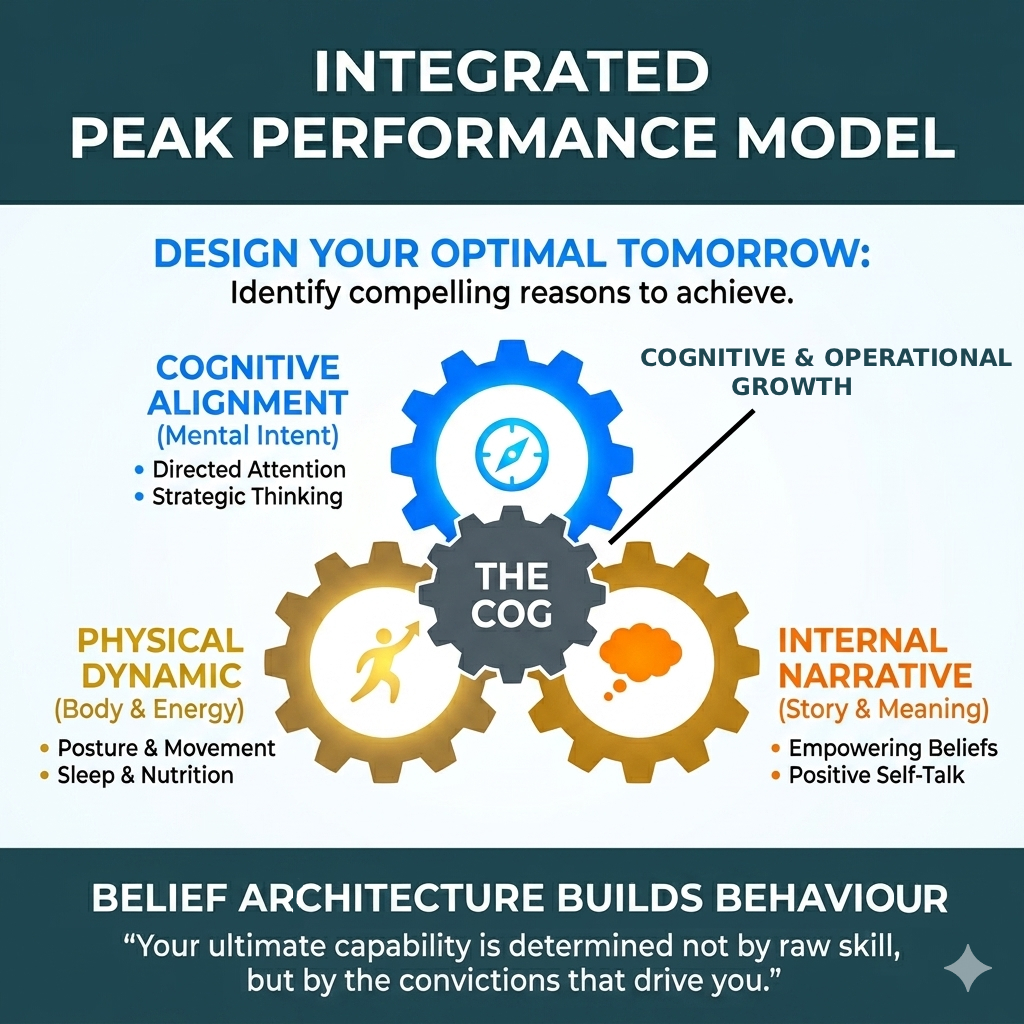
By aligning your Cognitive Alignment (what you focus on), your Physical Dynamic (how you treat your body), and your Internal Narrative (the meaning you give to life), I help you design a “Belief Architecture” that makes healthy behaviour a natural result rather than a constant struggle.
Moral Motivation
This was a crucial aspect of my own recovery journey. I believe that anyone who practices and promotes morality is pulled by a powerful unseen force—what Gandhi and MLK called ‘soul-force’ or ‘love-force.’ As a Christian, I call it the Holy Spirit. But as a recovery coach, I call it ‘moral motivation’. Jordan Peterson once gave a crucial piece of advice to men: be attractive to many women, but choose only one. What most men miss is the first half of that equation. Even within a committed, monogamous relationship, a woman wants to know she is with a man who has options.
Men can gain genuine status, charisma, and attraction by taking on serious moral responsibility and standing for high-minded ideals. In modern dating, many Gen Z women view narrow, nationalistic attitudes in men as a complete dealbreaker, reflecting a political polarisation which is at a historic high. The rise of both the nationalist Reform Party and the anti-nationalist Greens is symptomatic of this polarisation.
The way forward is not to abandon national identity altogether, but to promote a ‘New Nationalism’ that unites the border security required for a sovereign state with the universalism demanded by a moral one. Men can exercise their instinct to defend their communities and nations without surrendering the moral high ground to anti-nationalist movements like the Greens, with their pledges to decriminalise drugs and loosen border restrictions.
I coach men to form community groups which maintain a two-thirds Gen Z female majority, and which gather for monthly meetings in order to address political polarisation and bridge the growing divide between the sexes. SUN’s founding document will serve as the foundational text for these meetings.
Navigating the Growth Journey
Recovery is a process of reclamation. It requires a clear roadmap so that when challenges arise, you know exactly where you are and what the next step entails. That’s why my sessions provide both accountability and self-awareness. We move through seven distinct milestones, from defining a vision that is more compelling than your past, to eventually giving back to others from a place of strength.
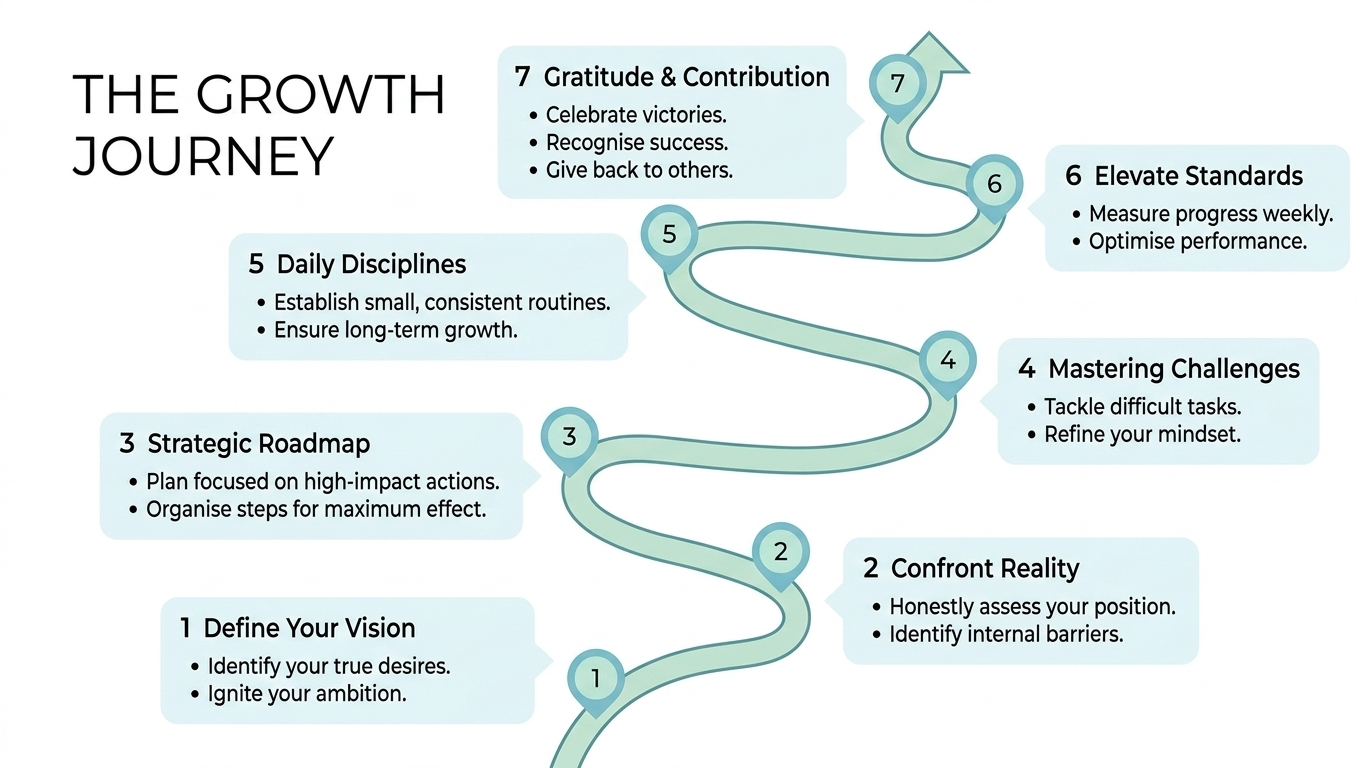
This journey is about more than just staying clean; it is about Mastering Challenges and Elevating Standards. We will organise your life into a series of Daily Disciplines which include exercise, positive self-talk and gratitude. These help ensure your growth is not just a temporary phase, but a permanent transformation.
Identity Shift Video
By the end of your identity shifting programme, you will have curated your values, identified your role models, upgraded your appearance, set big goals, taken massive action, and developed a daily practice. To make your transformation permanent, you will record a video of yourself reflecting on your past identity, your new identity, and how this new identity will shape your future.
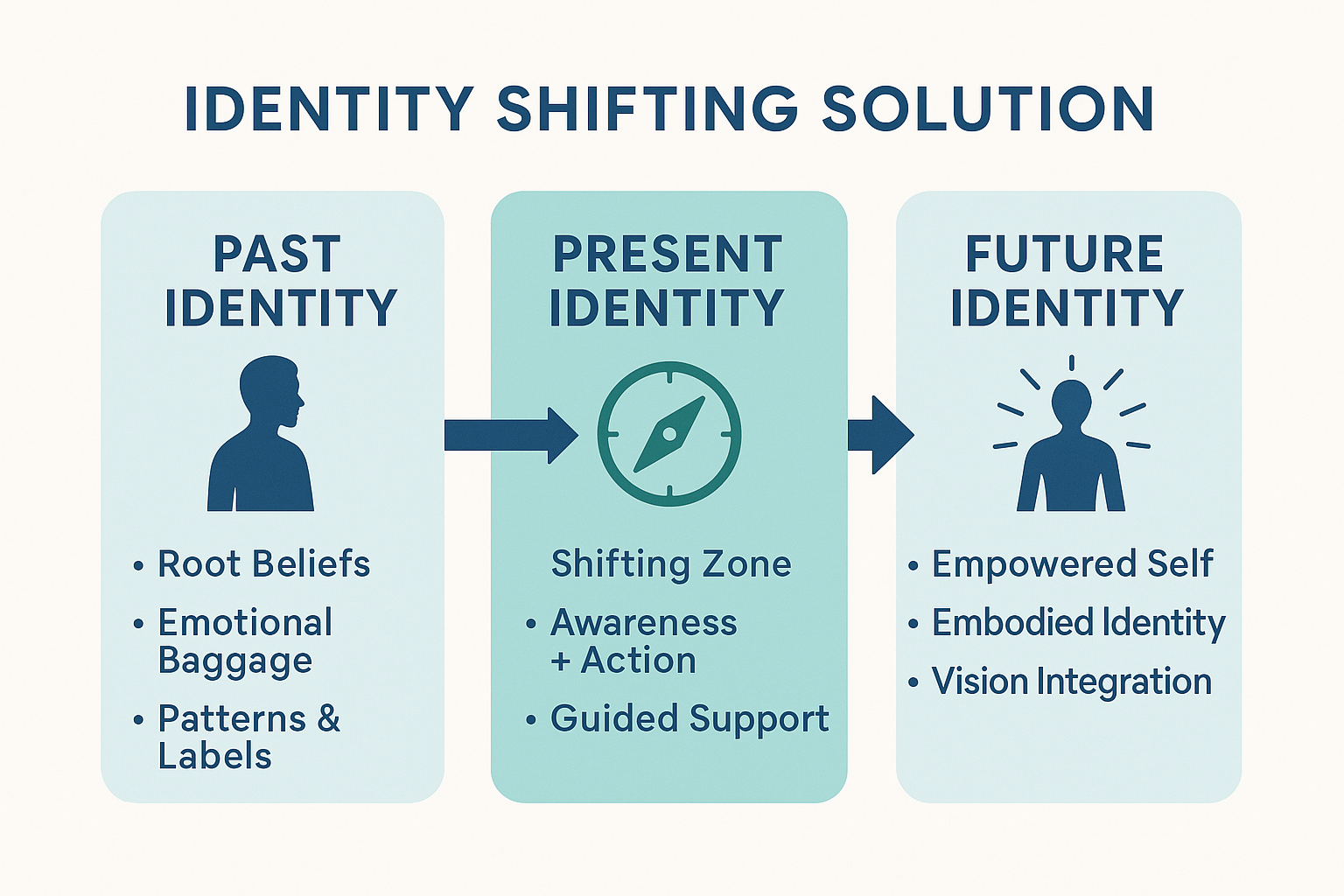
In accordance with Charles Horton Cooley’s ‘looking-glass self’ theory, sharing your video with me and others will reinforce this new identity—helping build a foundation for lifelong abstinence. I will also help you grow in each of the 8 areas of my Wheel of Life: Mind & Emotions | Contribution | Self-Cultivation | Spirituality | Fun, Family & Friends | Mission and Purpose | Health & Fitness | Money.
Investment in Yourself
Choosing to invest in coaching is a commitment to your future. I offer focused, one-to-one sessions designed to provide maximum impact and accountability.
Initial Strategy Session: £100 (45 min)
Identity Shifting Programme: £350 (4 x 45 min Sessions). Must be used within 8 weeks.
All sessions are conducted virtually via Google Meet in a safe, confidential, and non-judgmental space.
Ready to start your journey?